How Worried Should We Be About Hantavirus?
Job Description
Hantavirus is suddenly making headlines around the world after an outbreak linked to an international cruise ship triggered deaths, emergency evacuations, isolation measures, and global contact tracing efforts.
The situation gained international attention after several passengers onboard the cruise ship MV Hondius became seriously ill during a voyage that passed through South America and remote wildlife regions. Multiple passengers were later evacuated for emergency medical treatment, while deaths linked to the virus were also reported.
Health authorities across several countries, including the United Kingdom, United States, Netherlands, Switzerland, and South Africa, are now tracing passengers and monitoring anyone who may have been exposed.
The outbreak has naturally raised fears online, especially because reports mentioned isolation measures, contact tracing, protective suits, and international emergency responses. For many people, those images immediately bring back memories of the Covid-19 pandemic.
But health experts stress that hantavirus is very different from Covid.
Unlike highly contagious viruses that spread easily through normal everyday contact, hantavirus is much harder to transmit. Most cases happen through contact with infected rodents, while the rare human-to-human spread linked to the current outbreak usually requires very close and prolonged contact.
So while hantavirus is a serious illness that can become deadly in severe cases, experts say the risk to the general public remains very low.
Here is a simple and complete breakdown of everything you should know about hantavirus, how it spreads, its symptoms, treatment options, vaccines, and why health authorities are taking the current outbreak seriously.
What Is Hantavirus?
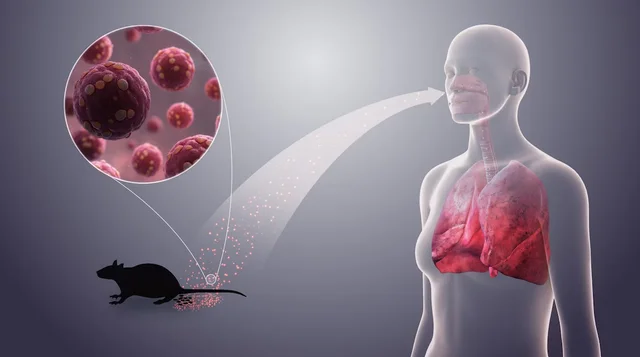
Hantavirus is a group of viruses usually carried by rodents like rats and mice.
Humans can become infected when they come into contact with infected rodent urine, saliva, or droppings. In most cases, people get infected by breathing in tiny virus particles that enter the air from contaminated areas.
Different types of hantaviruses exist around the world. Some affect the lungs, while others affect the kidneys.
The strain currently making headlines is called the Andes strain, which is mainly found in South America.
What makes the Andes strain unusual is that it can sometimes spread from person to person, although this is rare.
Where Did The Current Outbreak Start?
The current outbreak is linked to the cruise ship MV Hondius.
The ship had been travelling through South America and remote wildlife areas before problems started appearing onboard.
Authorities believe the virus may have first entered the ship through a passenger who was exposed to infected rodents either before boarding or during one of the wildlife excursions.
The ship later travelled near Cape Verde and is now heading toward Spain’s Canary Islands.
Passengers from the ship have already travelled to countries including:
- United Kingdom
- United States
- Netherlands
- Switzerland
- South Africa
This is why international health agencies are now involved in tracing passengers and monitoring anyone who may have been exposed.
How Many Cases Have Been Found?
According to health authorities:
- Several passengers became ill onboard
- Three deaths have been reported
- Multiple passengers were evacuated for medical treatment
- Other passengers are currently being monitored
Some cases have been confirmed as hantavirus, while others are still being investigated.
Authorities are also tracing people who may have sat near infected passengers on flights or had close contact with them.
How Does Hantavirus Spread?
1. Rodent To Human Transmission
This is the most common way hantavirus spreads.
A person can become infected by:
- Breathing in contaminated air
- Touching contaminated surfaces and then touching the mouth or nose
- Handling rodent nests or droppings
- Being bitten by an infected rodent
Places with poor ventilation or rodent infestations carry higher risk.
2. Human To Human Transmission
Most hantavirus strains do not spread between people.
However, the Andes strain can rarely spread through very close and prolonged contact.
Experts believe this may have happened onboard the cruise ship because passengers were sharing cabins and spending long periods together in enclosed spaces.
Health experts say it is not easily spread through casual contact.
You are extremely unlikely to catch hantavirus from:
- Walking past someone
- Shopping
- Going to school
- Sitting in public places
- Working in an office
This is one reason experts say the outbreak is very different from Covid.
What Are The Symptoms Of Hantavirus?
Symptoms usually appear between 2 to 4 weeks after exposure, although it can sometimes take longer.
Early symptoms often feel like flu.
Common Early Symptoms
- Fever
- Tiredness
- Muscle pain
- Headache
- Chills
- Body weakness
Other Symptoms
- Nausea
- Vomiting
- Stomach pain
- Diarrhoea
- Dizziness
Severe Symptoms
In serious cases, the virus attacks the lungs and breathing system.
This can lead to:
- Shortness of breath
- Chest tightness
- Fluid buildup in the lungs
- Difficulty breathing
Severe cases can become life threatening very quickly.
How Dangerous Is Hantavirus?
Hantavirus can be very serious, especially when it affects the lungs.
Some strains have high death rates if patients do not receive medical care quickly.
However, it is important to understand that hantavirus does not spread easily like measles or Covid.
Health experts are worried because the disease is dangerous for infected people, not because they expect a worldwide pandemic.
The general public risk remains low.
Is There A Cure For Hantavirus Yet?
There is currently no specific cure for hantavirus.
Doctors mainly focus on treating the symptoms and supporting the patient’s body while it fights the infection.
This may include:
- Oxygen support
- IV fluids
- Intensive care treatment
- Breathing support
Early hospital treatment greatly improves survival chances.
Is There A Vaccine?
At the moment, there is no widely available vaccine for hantavirus.
Scientists are currently researching and developing possible vaccines, especially after the recent outbreak gained international attention.
But right now, prevention remains the best protection.
How Is the Virus Diagnosed?
Doctors use laboratory tests to confirm hantavirus infection.
Diagnosis may involve:
- Blood tests
- Symptom evaluation
- Travel history
- Exposure history
Because the early symptoms resemble flu or other illnesses, doctors often look carefully at whether a patient recently travelled to high risk areas or had contact with rodents or infected people.
How Are Authorities Responding?
Health agencies across multiple countries are now involved.
Actions being taken include:
- Contact tracing passengers
- Monitoring exposed individuals
- Asking some passengers to self isolate
- Deep cleaning the ship
- Testing suspected cases
- Coordinating international health responses
Passengers and crew onboard the ship have also been isolated and monitored closely.
Should People Be Panicking?
Short answer, No.
Health experts, including the World Health Organization (WHO), say this is not a Covid-style situation.
The virus spreads much more slowly and requires much closer contact.
Most people around the world are not at risk.
The biggest concern is for:
- Close contacts of infected people
- Medical workers treating patients
- Passengers who were onboard the ship
- People exposed to infected rodents
For the general public, the risk remains very low.
How Can People Protect Themselves?
The best protection is avoiding contact with rodents and contaminated areas.
Safety Tips
- Keep homes clean and rodent free
- Seal holes where rodents can enter
- Avoid touching rodent droppings directly
- Wear gloves and masks when cleaning infested areas
- Ventilate closed spaces before cleaning
- Wash hands regularly
If you develop flu-like symptoms after rodent exposure or close contact with a confirmed case, seek medical attention quickly.
Conclusion
Hantavirus is serious, but it is not the beginning of another global pandemic.
The current outbreak has attracted attention because it happened on an international cruise ship involving passengers from many countries. That naturally triggered a large emergency response.
But health experts continue to stress that the virus spreads very differently from Covid and poses very little risk to the wider public.
Still, the outbreak is a reminder that diseases linked to wildlife and animal exposure remain a major global health concern, especially in crowded environments where close contact can occur over long periods.